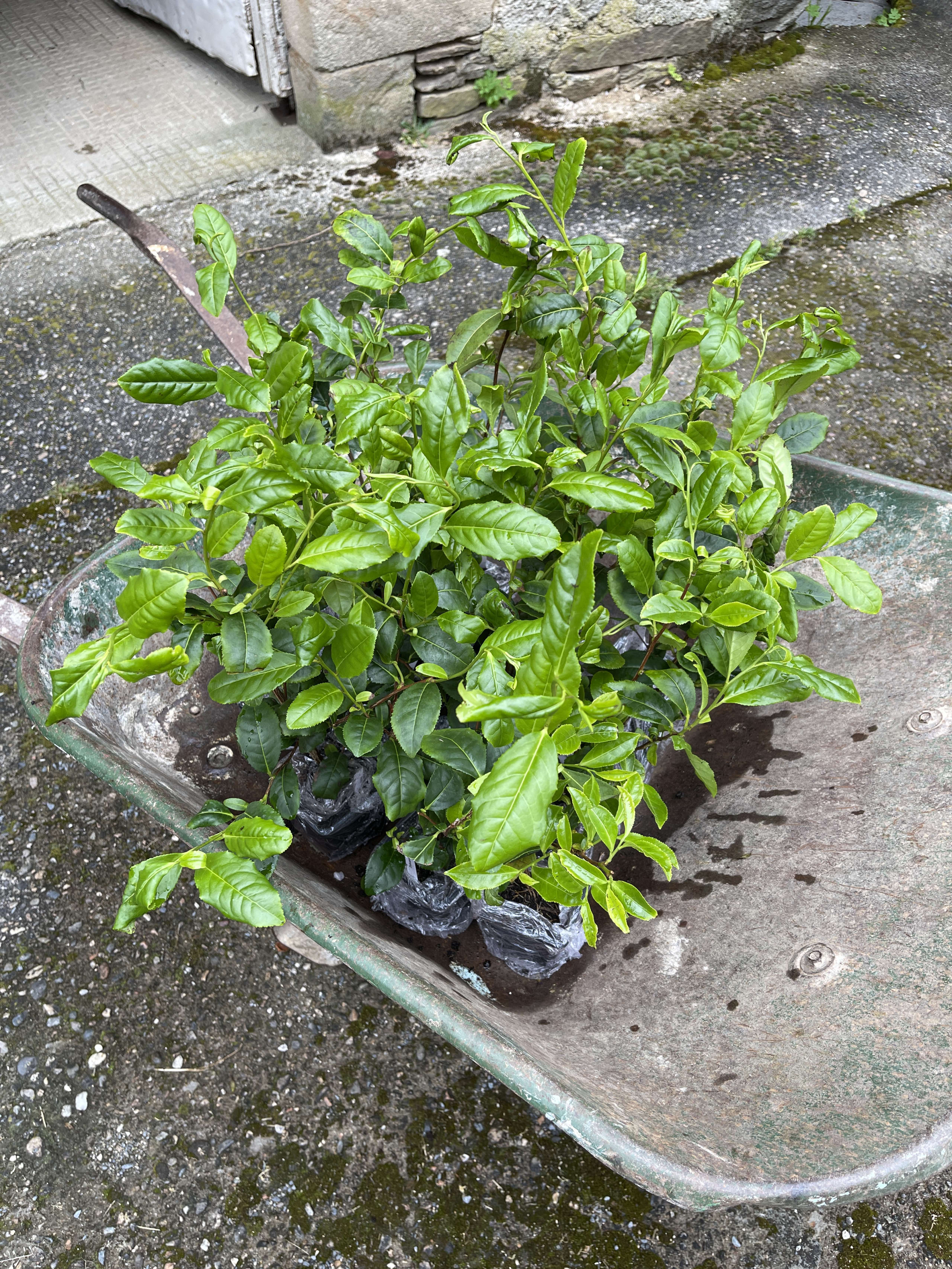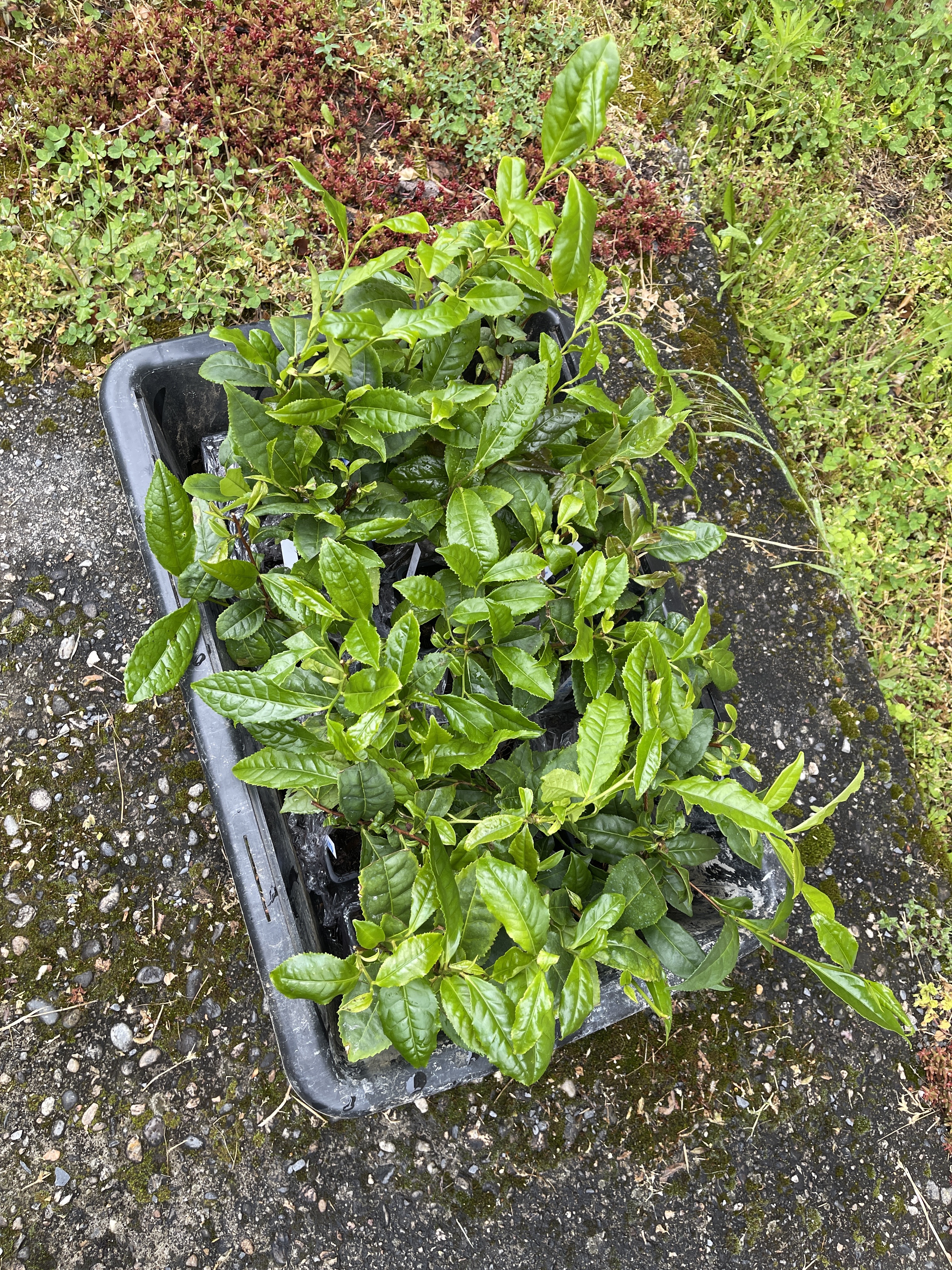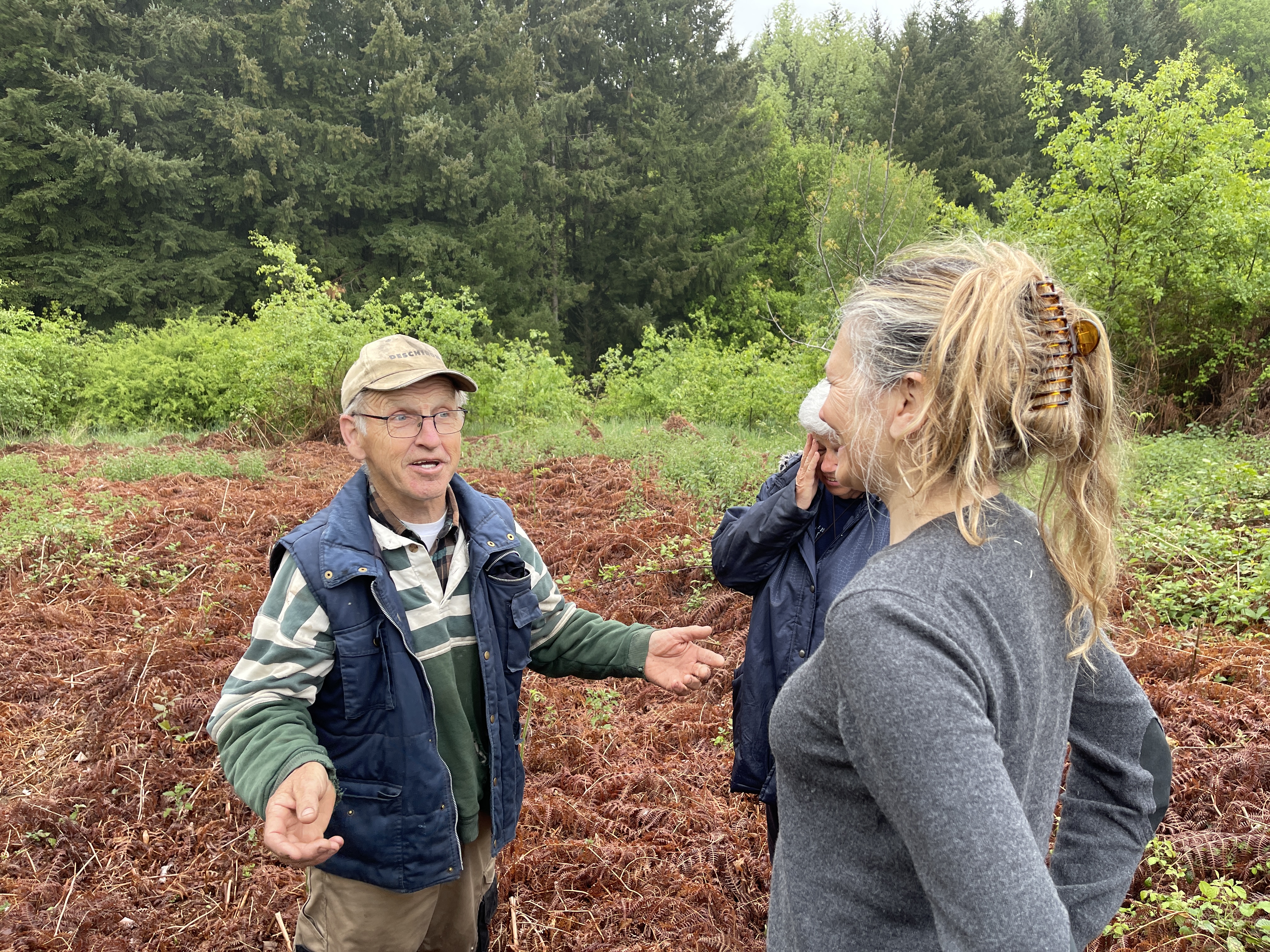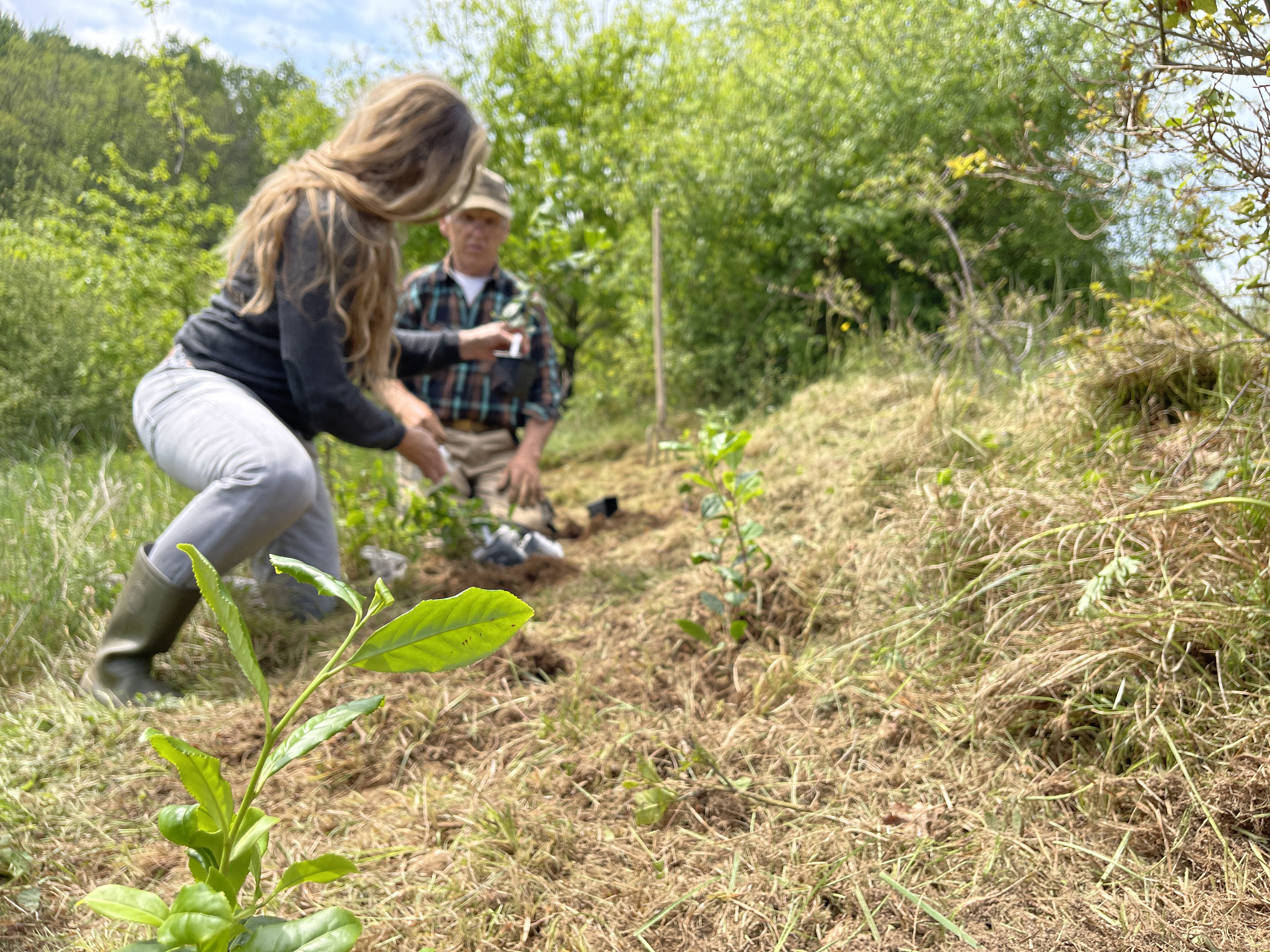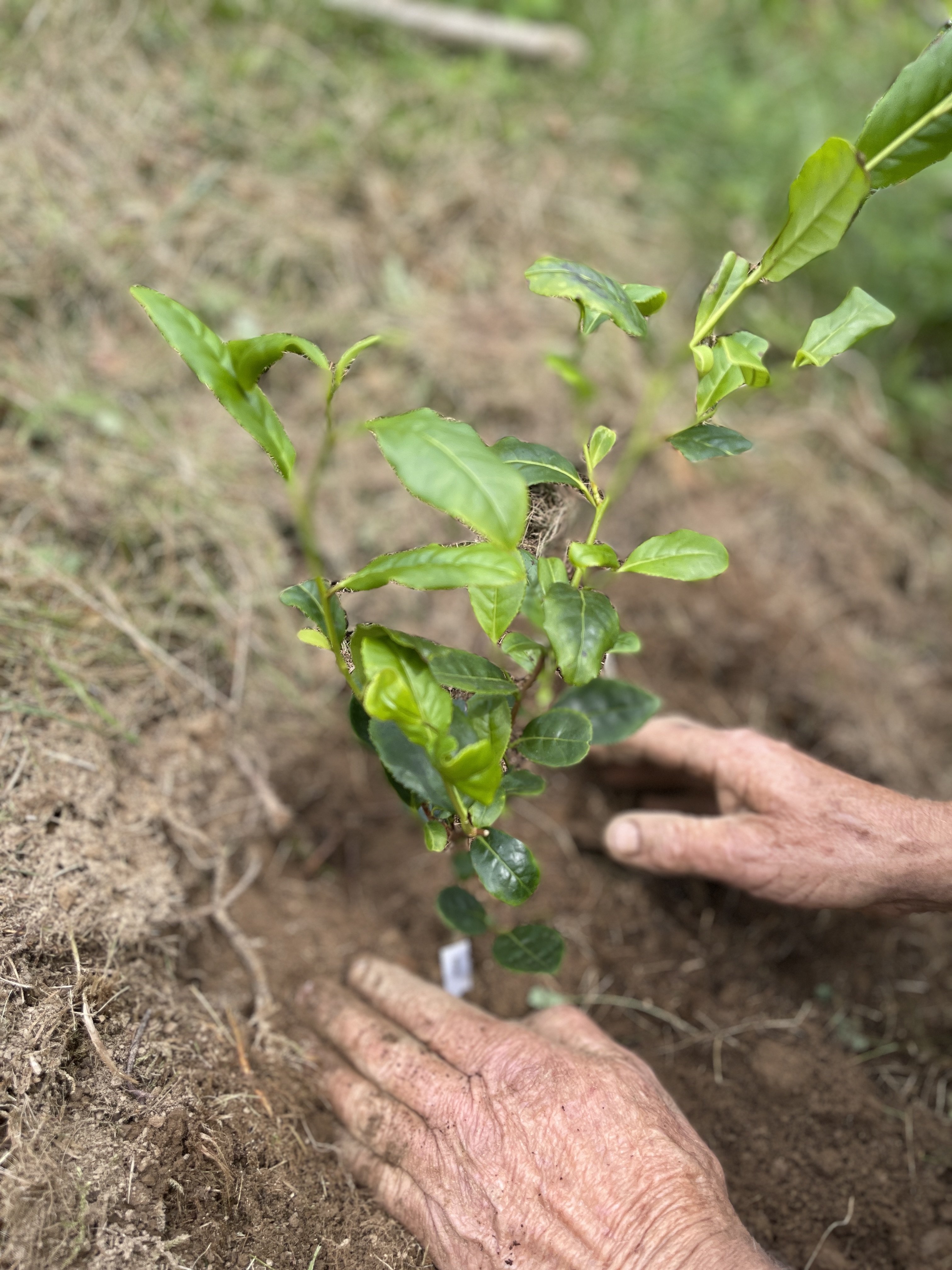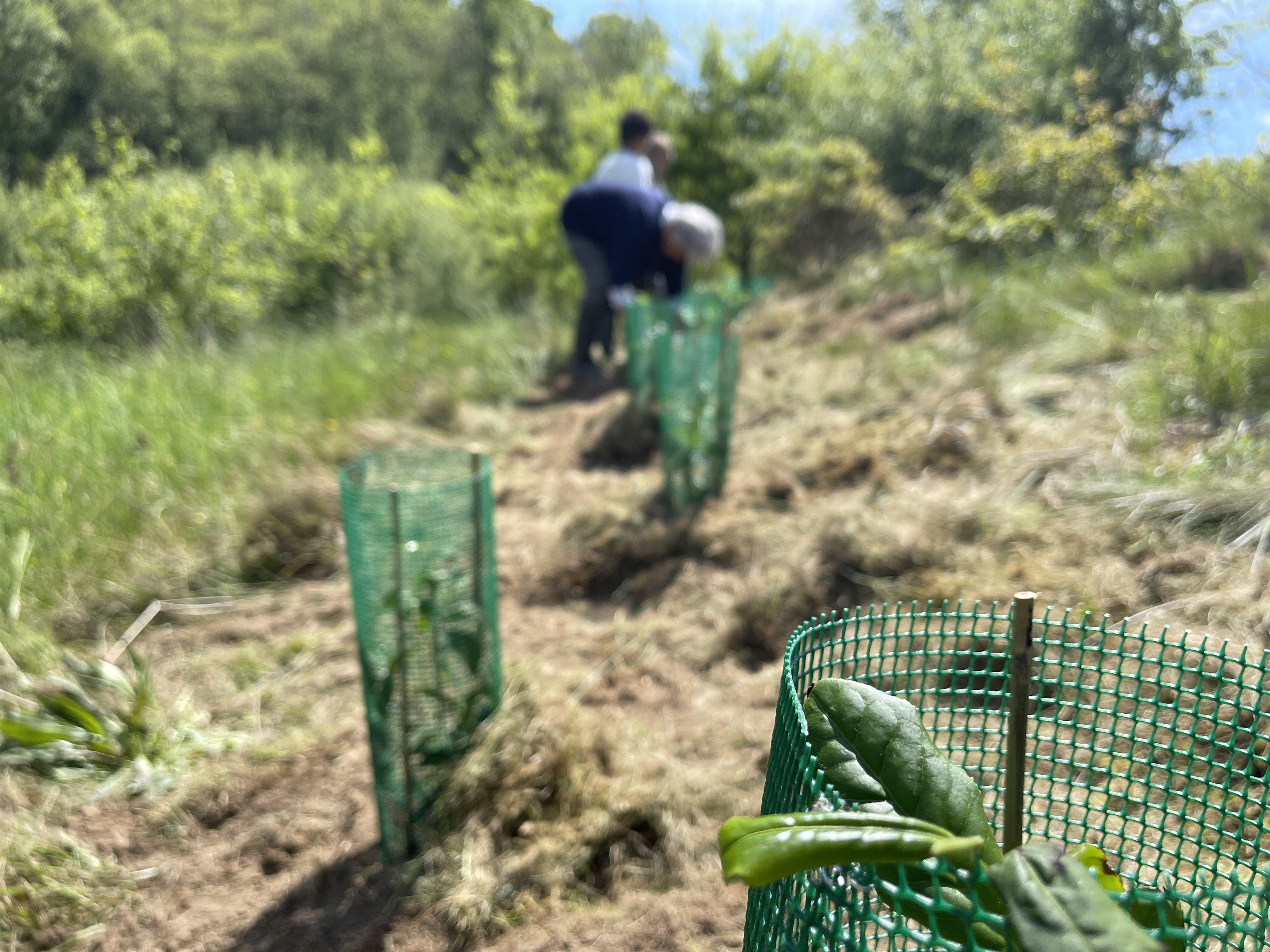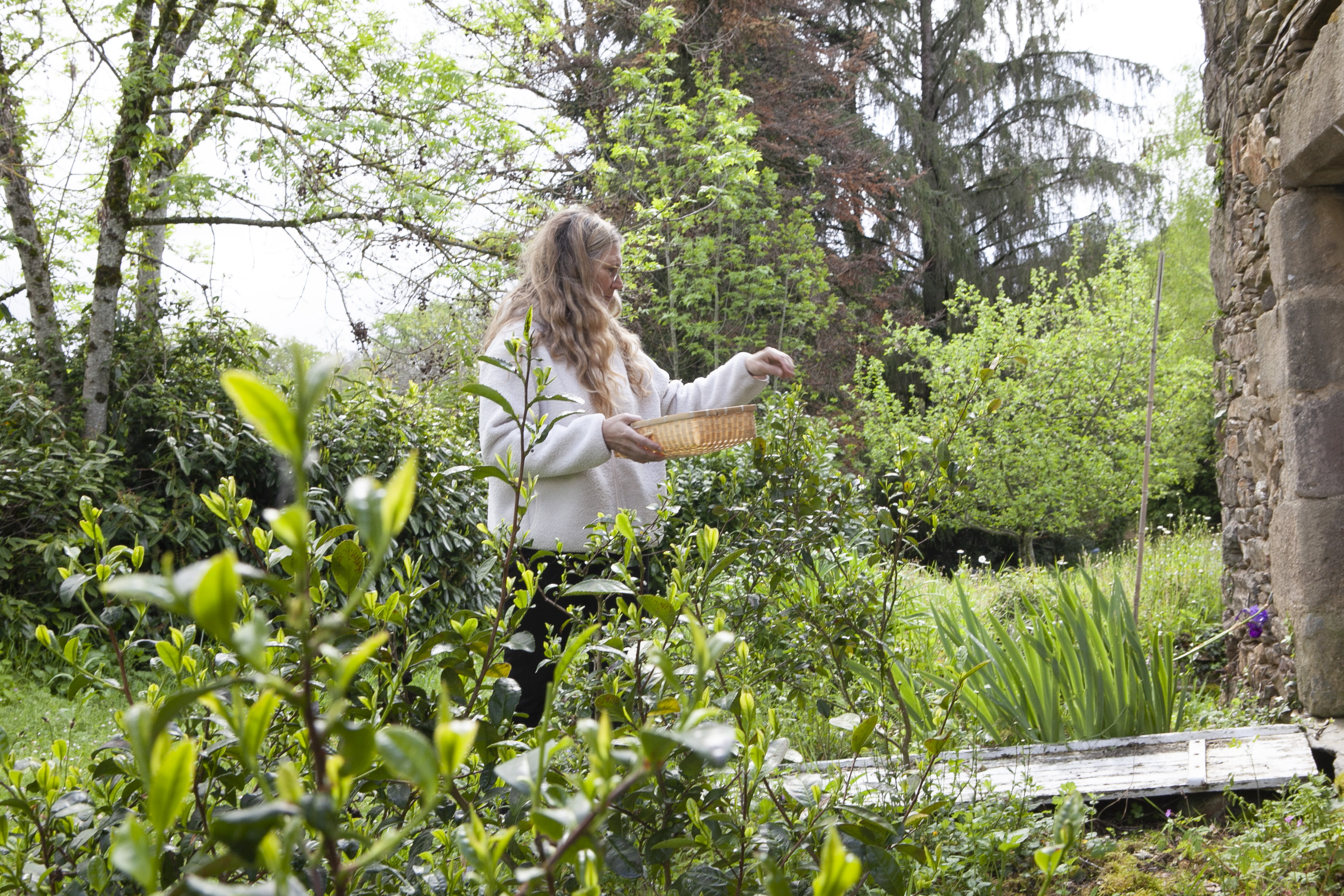

In 2016, I planted 20 tea plants behind my family home in Corrèze located near from Sainte Féréole vilage, then 50 more on a piece of scrubland in 2022. In 2023, I made my first green tea, and in 2024, my first black tea. In the fall of 2025, I decided to take it to the next level to test their acclimatization by planting 500 young tea plants on a plot of land on the edge of the forest in the Vallon de Lajoinie as part of a participatory project. There were about fifteen of us involved in tea projects in Limousin and other French regions. Check out the video!
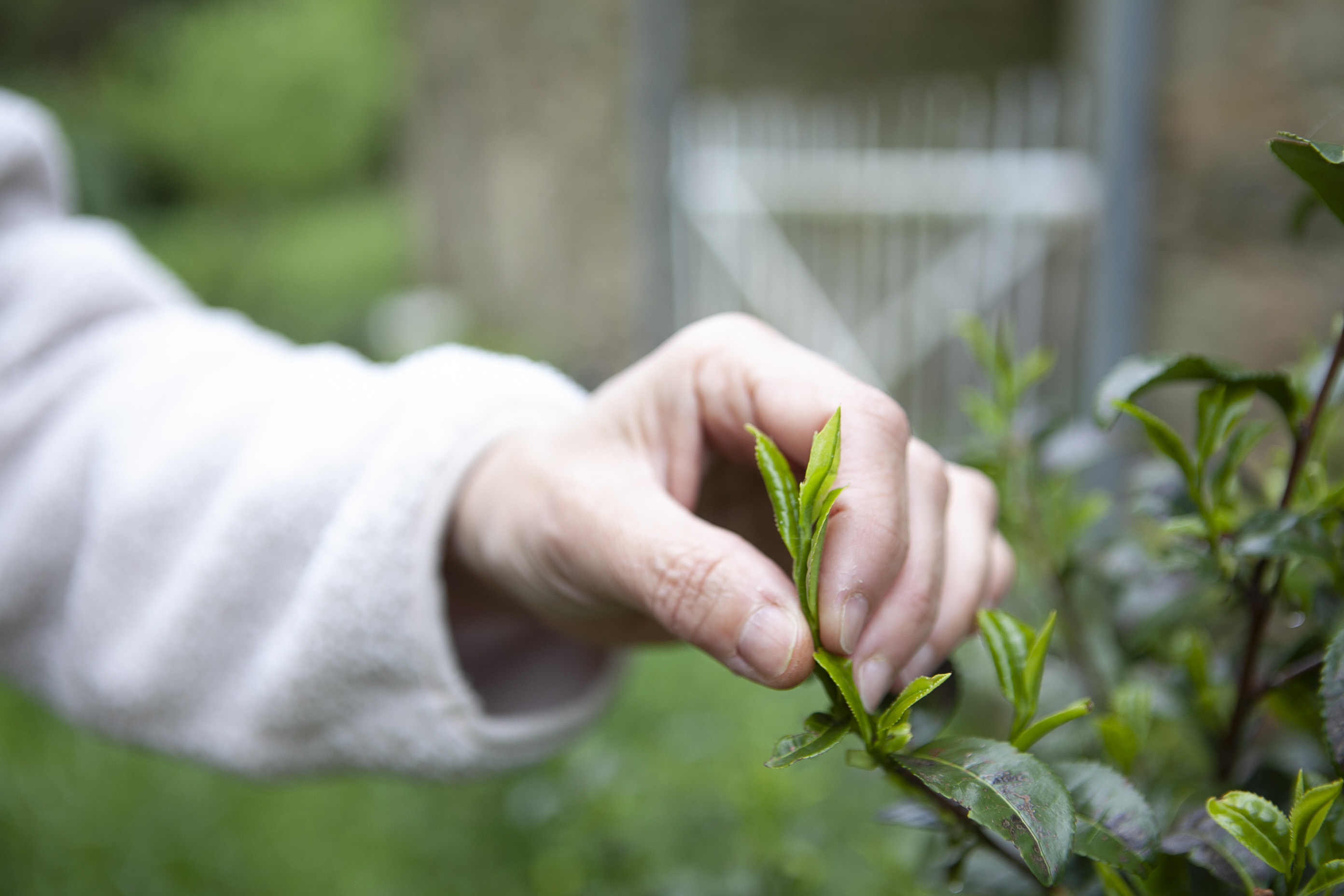
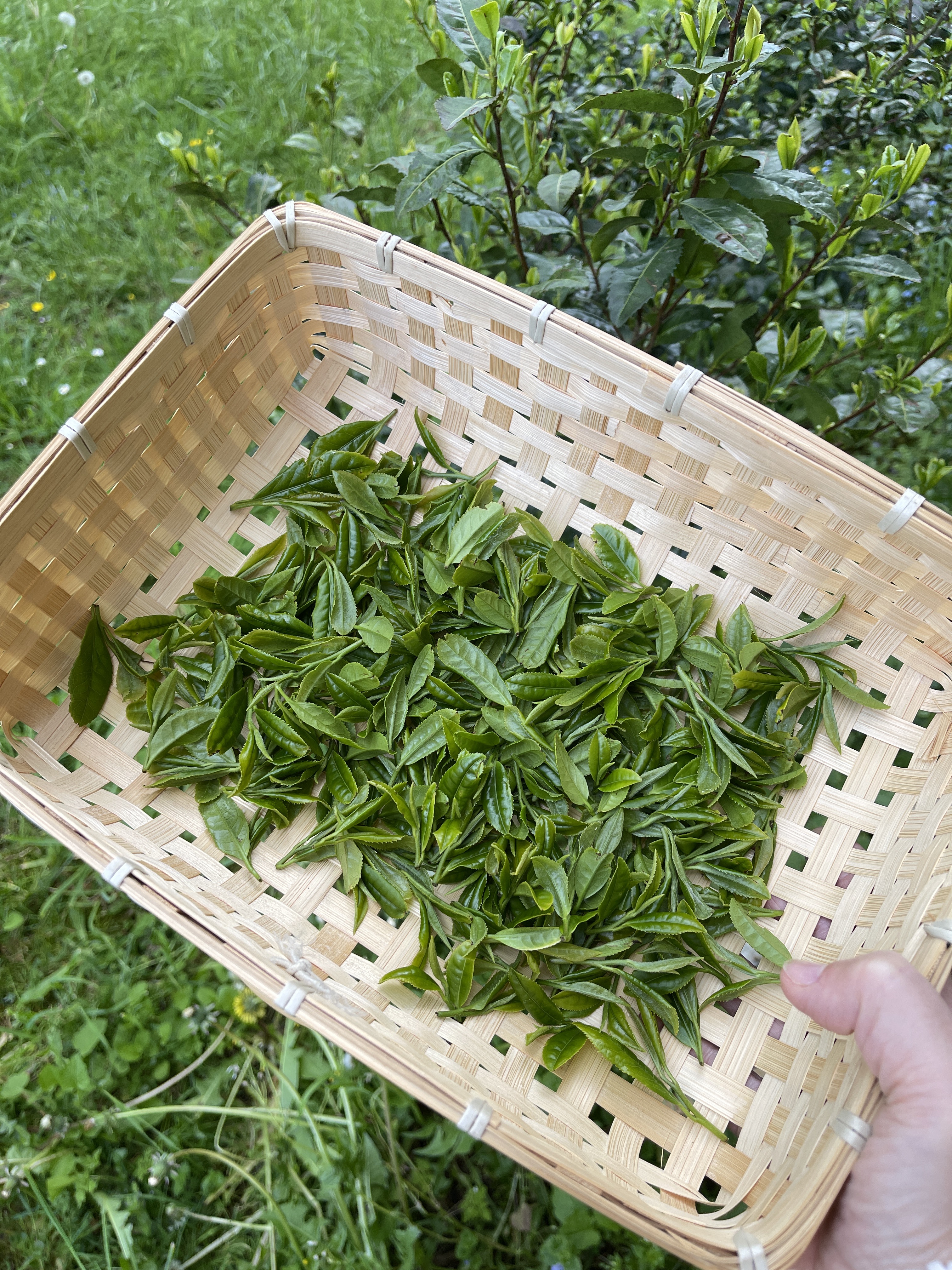
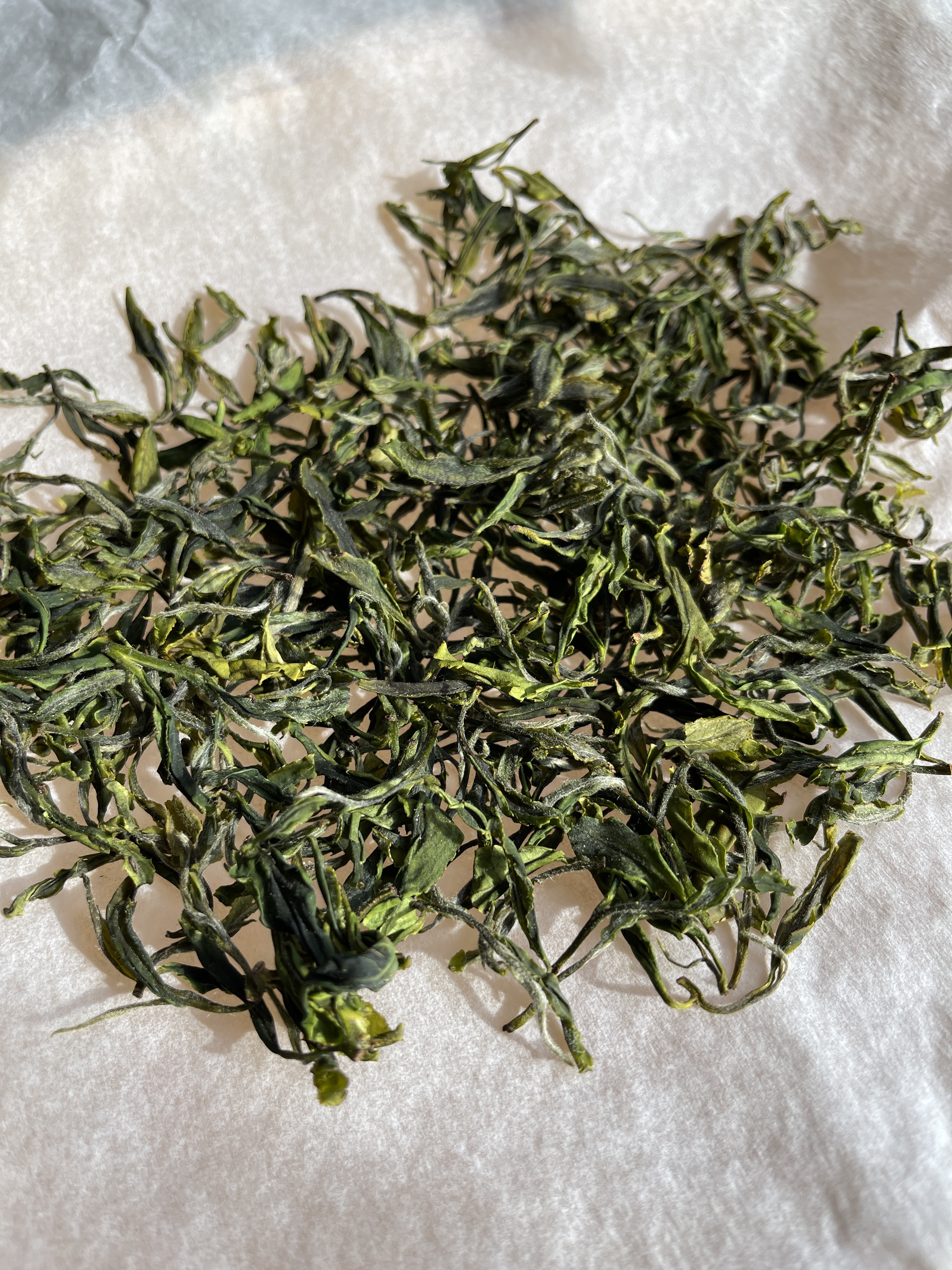
In 2016, I selected 2 cultivars (sinensis and assamica types), and positioned them to test the impact of exposure and the semi-mountain climate, convinced by the quality of the acidic Corrèze soil for tea bush growth. 7 years later, of the 20 plants initially planted, 13 have survived, particularly those that were best protected from the sun and wind. This enabled me to make my first spring harvest in 2022: 100g of fresh tea transformed into white tea. And in the spring of 2023, I tested the production of green tea on the first harvest of the season, which took place at the very beginning of May.
Tea growing is on the rise again in Europe, and particularly in France. Weizi and Denis Mazerolle, who initiated the Tea Grown in Europe association, of which I've been a member since 2018, and who founded Filleule des Fées , advised me on the second stage of my tea plantation in Corrèze. In the spring of 2022, I planted 50 new tea bushes on a plot of uncultivated land that had not been used for more than 20 years.e for more than 20 years, where the local flora has gradually taken over from a meadow to a shrubby wasteland with young shoots of oak, chestnut, hawthorn, .... which I intend to preserve. I selected 3 origins: tea bushes from Nepal, China and Brittany. Aged 3 years at the time, I positioned them in shady areas of the plot in 3 different locations. Between the heatwave of summer 2022 and one of the areas being in the path of a family of wild boars, I lost more than half of them. The most resilient were the Nepalese tea bushes and the Chinese cultivar.
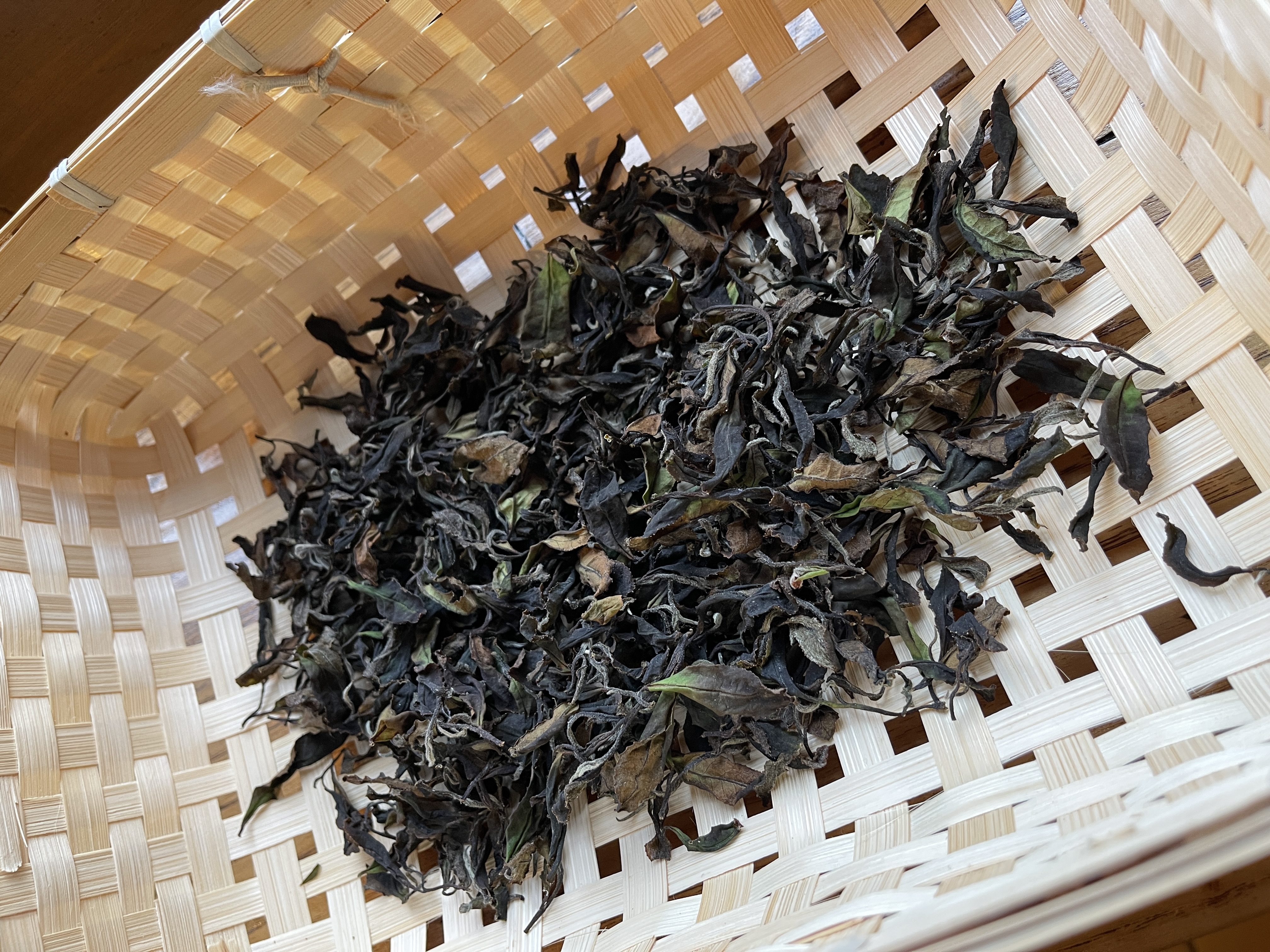
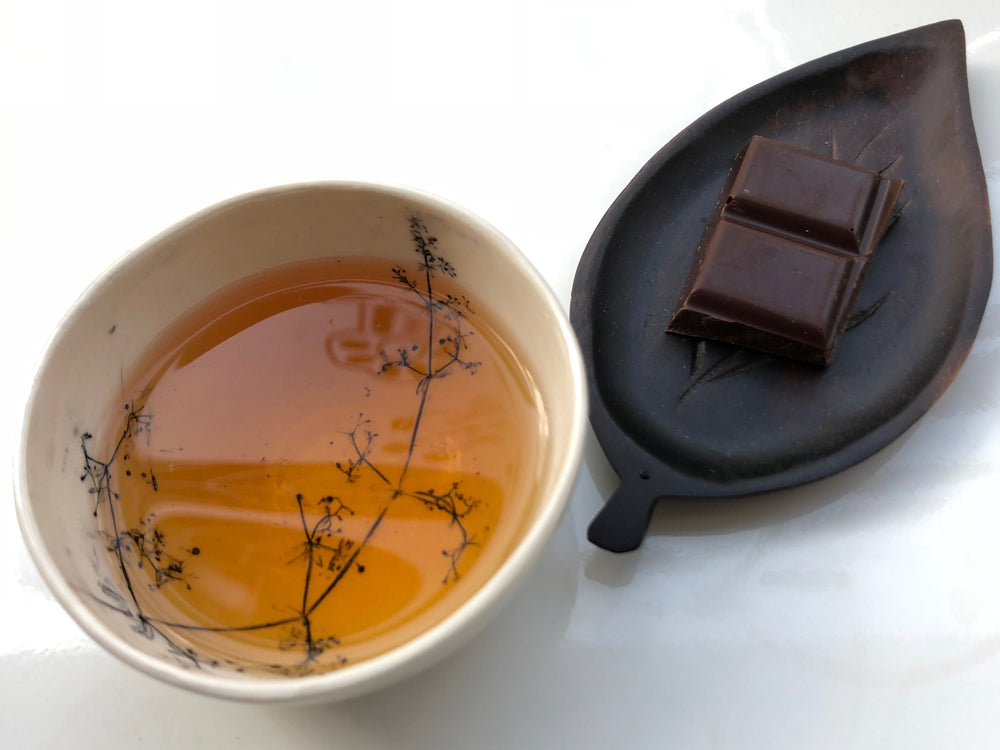
In April 2024, I harvested 80g of tea. After two days of withering, rolling and natural drying, I obtained 25g of Sainte-Féréole black tea. We tasted them as a team. There's still room for improvement, but Sainte-Féréole black tea is promising, with its coppery color and woody, fruity notes: a primeur black tea of sorts.
In autumn 2025, we reached a milestone: on a wooded wasteland, a former 1,000 m² fern patch now hosts 500 tea plants, planted during a community project. A huge thank you to everyone who lent a hand — this collective energy will remain etched in every plant we’ve set in the ground.
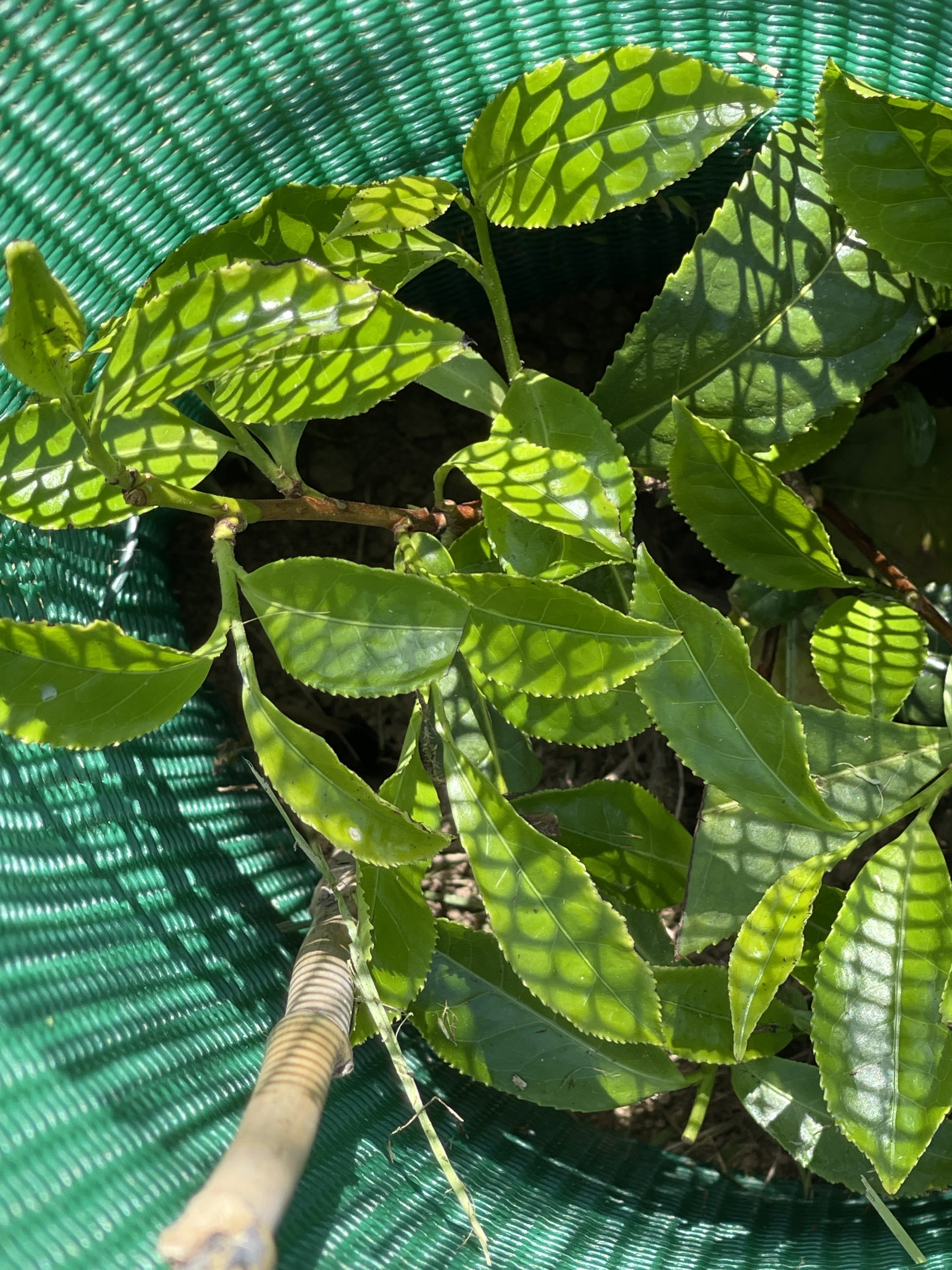
The winter was mild, spring kept us busy clearing undergrowth, and summer arrived, bringing a heatwave. But as the ferns grew back, they served their purpose: they protected our young tea plants from the intense heat, acting as a providential canopy of vegetation. We’ll have to get back to clearing the undergrowth — but not just yet. We’re letting nature do its bit for a while longer.